Driving License Without Exam: Myth or Reality?
The allure of faster ways is deeply ingrained in humanity. When faced with jobs that require time, effort, and maybe a bit of tension, the concept of a simpler path is undoubtedly appealing. Acquiring a driving license is frequently perceived as one such job. It includes learning driving skills, understanding traffic rules, and after that, the potentially stressful driving test. It's not a surprise then, that the concern of whether it's possible to get a driving license without a test frequently surface areas. But is this just wishful thinking, or exists any reality to the concept of a driving license without the test?
This short article digs into the truths of obtaining a driving license, checking out the basic treatments, the reasons behind driving tests, and debunking the misconceptions surrounding shortcuts or exam-free paths. We aim to supply a comprehensive and informative introduction to clarify whether acquiring a driving license without an examination is a genuine possibility or just a hazardous mistaken belief.
The Standard Road to a Driving License: Navigating the Exam Route
In many nations and jurisdictions worldwide, the procedure of obtaining a driving license is structured to ensure road security and chauffeur skills. This procedure invariably consists of a driving test, or typically two-- a written knowledge test and a practical driving abilities test. Let's break down the typical actions involved in obtaining a driving license by means of the standard, exam-inclusive path:
Learner's Permit or Provisional License: The journey usually begins with getting a student's permit or provisional license. This is an important very first step that enables individuals to lawfully practice driving under supervision. To get this permit, candidates usually require to:
- Meet the minimum age requirement.
- Pass a vision test.
- Pass a composed understanding test on traffic laws, roadway indications, and safe driving practices.
Driving Education and Practice: Once a student's permit is protected, the next stage includes learning to drive efficiently. This frequently consists of:
- Enrolling in a driving school or taking lessons from a licensed driving instructor. These professional lessons supply structured training and important insights into safe driving techniques.
- Practicing driving under the supervision of a licensed chauffeur. Consistent practice is vital to establish driving abilities and build confidence behind the wheel.
The Written Knowledge Test: While currently come across for the learner's authorization, in some regions, prospects might require to retake or pass a more thorough written test before proceeding to the useful exam. This test examines understanding of:
- Traffic laws and policies.
- Road indications and markings.
- Safe driving practices and protective driving strategies.
- Lorry operation and upkeep fundamentals.
The Practical Driving Test: This is the cornerstone of the license acquisition process and the examination that many discover overwhelming. The useful driving test is developed to evaluate a prospect's capability to:
- Safely run a vehicle in different traffic conditions.
- Follow traffic laws and signals correctly.
- Perform standard driving maneuvers such as parking, turning, and lane modifications.
- Demonstrate awareness and responsiveness to possible hazards.
- Preserve composure and make noise choices while driving.
- License Issuance: Upon successfully passing both the written and useful driving tests, and fulfilling all other requirements like age, residency, and payment of fees, the driving license is lastly issued. This license formally approves the specific the legal benefit to run an automobile on public roads.
Why Driving Exams are Indispensable: The Rationale Behind Testing
The addition of rigorous driving tests in the licensing process is not arbitrary administration. It's basically rooted in the paramount significance of road safety and public wellness. Here's why driving examinations are essential:
- Ensuring Driver Competence: Driving an automobile is a complicated job requiring a specific set of skills and understanding. Driving tests are designed to confirm that license holders have the minimum level of competence to safely operate an automobile. This consists of automobile control, threat understanding, and adherence to traffic guidelines.
- Promoting Road Safety: The main objective of driving tests is to boost road safety. By removing possibly unsafe drivers, examinations add to minimizing mishaps, injuries, and casualties on the roads. Ensuring chauffeurs are adequately trained and tested straight equates to more secure roads for everybody.
- Standardizing Driving Skills: Driving tests assist establish a standardized level of driving skill across all licensed drivers within a jurisdiction. This standardization makes sure a degree of predictability and consistency in motorist habits, adding to smoother and much safer traffic circulation.
- Legal Mandate and Responsibility: Driving is a legal privilege, not a right. Federal governments and regulative bodies mandate driving tests to guarantee that this privilege is granted responsibly and only to individuals who show the essential ability and knowledge.
- Protecting Public Safety: Ultimately, driving tests are a step to protect the public. Enabling untrained or untested individuals to operate lorries would pose a significant danger to all roadway users-- drivers, travelers, pedestrians, and bicyclists alike.
Exposing the Myth: Driving License Without Exam-- A Dangerous Illusion
Regardless of the clear rationale and structured process, the notion of obtaining a driving license without an exam persists. Nevertheless, it's important to understand that lawfully getting a standard driving license without going through the needed tests is practically difficult in the majority of genuine jurisdictions. Claims of shortcuts or exam-free paths are typically misleading, dishonest, and potentially prohibited.
Let's resolve some typical misconceptions or situations that may contribute to this misconception:
- "Connections" and Bribery: In some circumstances, individuals may believe that through individual connections or by offering allurements, they can bypass the driving test. This is unequivocally illegal and unethical. Participating in such practices not only weakens the stability of the licensing system however also puts unqualified drivers on the road, jeopardizing safety. Moreover, such licenses obtained through unlawful methods are typically void and can lead to severe legal consequences if found.
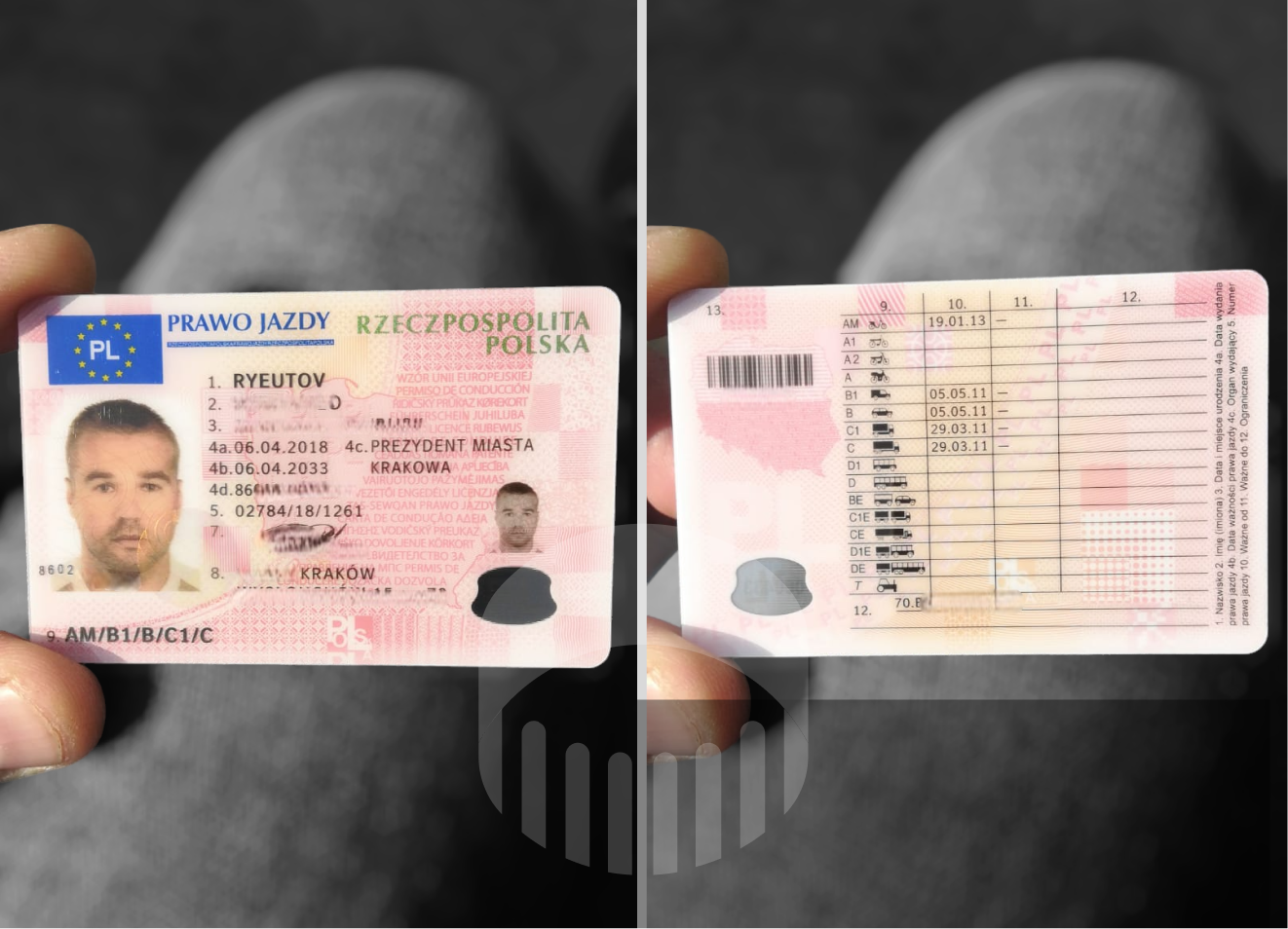
- Online "License" Providers: Numerous websites might advertise "driving licenses without tests" or provide apparently too-good-to-be-true offers. prawa jazdy do kupienia kartaxpresspoland are generally deceptive frauds. Genuine driving licenses are released by official federal government firms after effectively finishing the recommended testing procedure. Online providers can not bypass this legal framework.
- Misinterpretation of License Transfers or Reciprocity: Some areas might have contracts with others to acknowledge driving licenses released by each other under particular conditions. This is frequently referred to as reciprocity. While this may improve the process for people moving from one jurisdiction to another, it does not suggest getting a license without any kind of recognition or assessment. Often, transferring a license includes verification of the initial license, proof of driving history, and possibly a simplified knowledge test or administrative procedure, but rarely a complete bypass of all evaluation.
- Exemptions for Specific Categories (Limited and Not "Exam-Free"): In really specific and minimal circumstances, specific classifications of drivers may have different pathways to licensing based on pre-existing qualifications. For circumstances, military personnel with extensive driving experience in customized lorries may have structured procedures. Nevertheless, these pathways still generally involve some form of assessment and validation of their skills-- not a complete lack of examination.
The Risks of Seeking an Exam-Free License: Why Shortcuts threaten
Attempting to acquire a driving license through invalid means or without the needed exams carries severe threats and repercussions:
- Legal Penalties: Driving without a valid license or possessing a fraudulently gotten license is a major offense. Repercussions can range from large fines and license suspension to even criminal charges in specific cases.
- Increased Accident Risk: Individuals who prevent driving tests are most likely to be improperly trained and lack the essential abilities to drive securely. This significantly increases their danger of being associated with mishaps, threatening themselves and others.
- Insurance coverage Issues: Driving without a legitimate license or with a deceitful license revokes insurance protection. In case of an accident, uninsured chauffeurs are personally accountable for all damages and injuries, which can cause considerable financial concerns.
- Public Endangerment: Unqualified chauffeurs on the roadway position a risk to public safety. Their absence of skills and understanding increases the possibility of mishaps, interrupting traffic flow and causing damage to innocent roadway users.
- Lack of Confidence and Competence: Even if somebody handles to obtain a license through illegitimate ways, the lack of correct training and screening can result in a lack of self-confidence and competence behind the wheel, making driving a stressful and possibly dangerous experience.
Conclusion: Embracing the Standard Path for Safe and Legal Driving
In conclusion, the concept of getting a driving license without a test is largely a myth, fueled by a desire for shortcuts and a misunderstanding of the function of driving tests. Legally and ethically, getting a standard driving license demands undergoing and passing the required assessments. While structured procedures or license transfers may exist in specific scenarios, these rarely correspond to a total bypass of assessment.
The basic path, though possibly viewed as difficult, is the only legitimate and responsible method to obtain a driving license. It makes sure motorist competence, promotes road security, and protects the well-being of all roadway users. Rather of seeking illusory faster ways, people should concentrate on correct driving education, diligent practice, and comprehensive preparation for the driving tests. This approach not only guarantees legal compliance but likewise cultivates safe and positive driving practices, making roadways more secure for everybody.
Often Asked Questions (FAQs) about Driving Licenses and Exams
Q1: Is it ever possible to get a driving license without taking any type of test?
A: In essentially all genuine jurisdictions, acquiring a basic driving license lawfully needs passing both a written knowledge test and a practical driving skills test. Claims of exam-free licenses are usually rip-offs or misstatements. While some really particular circumstances or license transfer agreements may enhance the procedure, they seldom eliminate all types of assessment.
Q2: Are there any genuine "faster ways" to getting a driving license quicker?
A: There are no legitimate shortcuts that bypass the core requirements of driving education and screening. Nevertheless, you can speed up the process by:
- Starting your knowing early.
- Practicing consistently and vigilantly.
- Choosing a respectable driving school with experienced instructors.
- Being well-prepared for both the written and practical exams.
Q3: What about moving a driving license from another nation or state? Will I still require to take a test?
A: It depends on the particular reciprocity contracts between jurisdictions. Typically, transferring a license involves a simplified procedure which may consist of:
- Verification of your existing license.
- Proof of driving history.
- A streamlined understanding test or an administrative procedure.
Nevertheless, it's unlikely to be totally exam-free. You'll require to check the particular regulations of the licensing authority in your new place.
Q4: What takes place if I am captured driving without a valid driving license?
A: Driving without a valid license is a severe offense. Charges can consist of:
- Fines.
- Vehicle impoundment.
- License suspension.
- Sometimes, even criminal charges.
- Additionally, you will be uninsured, making you economically liable for any mishaps.
Q5: Why are driving tests considered so rigorous or difficult?
A: Driving tests are developed to be extensive and extensive because they assess vital skills and understanding necessary for safe driving. The "strictness" is a reflection of the duty connected with operating a vehicle and the possible threats included. The objective is to make sure that only competent and responsible motorists are licensed, contributing to much safer roads for everybody.